 Image 1 of 1
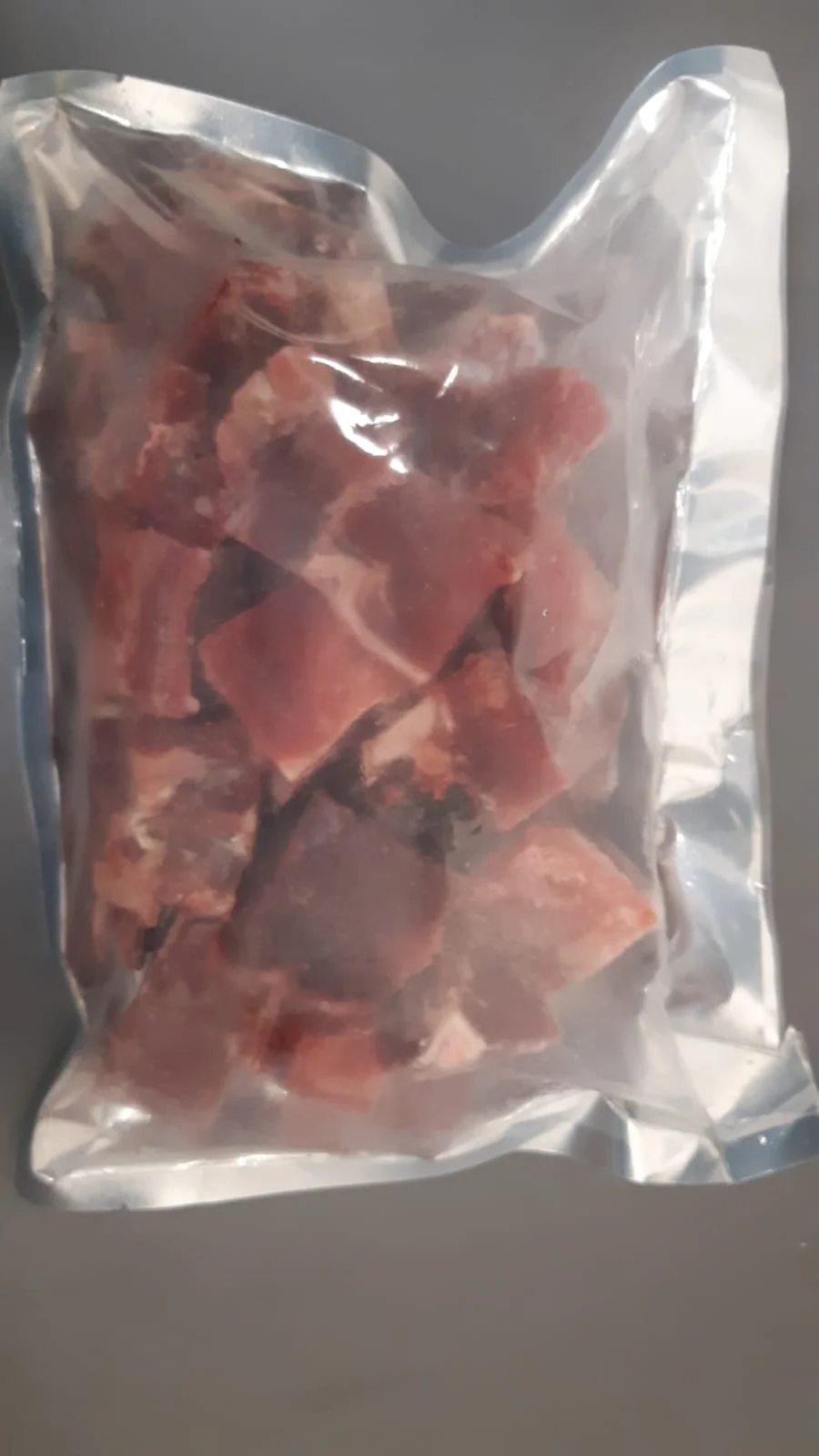
Mutton in Inner Mongolia is defined by its bold, clean flavor and a texture shaped by the region’s high-altitude grasslands and pastoral traditions. Sheep and Goats are raised on expansive steppes where they graze native grasses and herbs; this natural diet, combined with long, active grazing periods, produces meat with a pronounced, slightly gamey richness and a firm but tender bite.
Key characteristics
Flavor: Robust and savory with earthy, slightly grassy and herbal undertones. Compared with grain-fed lamb, Inner Mongolian mutton tends toward a stronger, more mature taste—often described as pleasantly gamey rather than harsh.
Aroma: Clear and pastoral; when properly prepared it smells warm and meaty rather than overly fatty or lamby.
Texture: Firm yet succulent. Muscle fibers are denser due to active grazing and cold-climate conditioning, giving a satisfying chew without excessive toughness when cooked correctly.
Fat: Fat is flavorful and aromatic, with a melting quality that enriches broths and stews. Subcutaneous and intramuscular fat carry much of the meat’s signature flavor.
Color: Deep pink to darker red, depending on age and cut; fat is creamy white to pale yellow.
Overall, Inner Mongolian mutton offers a hearty, authentic taste shaped by its environment and pastoral heritage—robust, aromatic, and best celebrated through simple, respectful cooking techniques.
Mutton in Inner Mongolia is defined by its bold, clean flavor and a texture shaped by the region’s high-altitude grasslands and pastoral traditions. Sheep and Goats are raised on expansive steppes where they graze native grasses and herbs; this natural diet, combined with long, active grazing periods, produces meat with a pronounced, slightly gamey richness and a firm but tender bite.
Key characteristics
Flavor: Robust and savory with earthy, slightly grassy and herbal undertones. Compared with grain-fed lamb, Inner Mongolian mutton tends toward a stronger, more mature taste—often described as pleasantly gamey rather than harsh.
Aroma: Clear and pastoral; when properly prepared it smells warm and meaty rather than overly fatty or lamby.
Texture: Firm yet succulent. Muscle fibers are denser due to active grazing and cold-climate conditioning, giving a satisfying chew without excessive toughness when cooked correctly.
Fat: Fat is flavorful and aromatic, with a melting quality that enriches broths and stews. Subcutaneous and intramuscular fat carry much of the meat’s signature flavor.
Color: Deep pink to darker red, depending on age and cut; fat is creamy white to pale yellow.
Overall, Inner Mongolian mutton offers a hearty, authentic taste shaped by its environment and pastoral heritage—robust, aromatic, and best celebrated through simple, respectful cooking techniques.